
Landscaping Resources
Hardscape vs. Softscape: What’s the Difference?
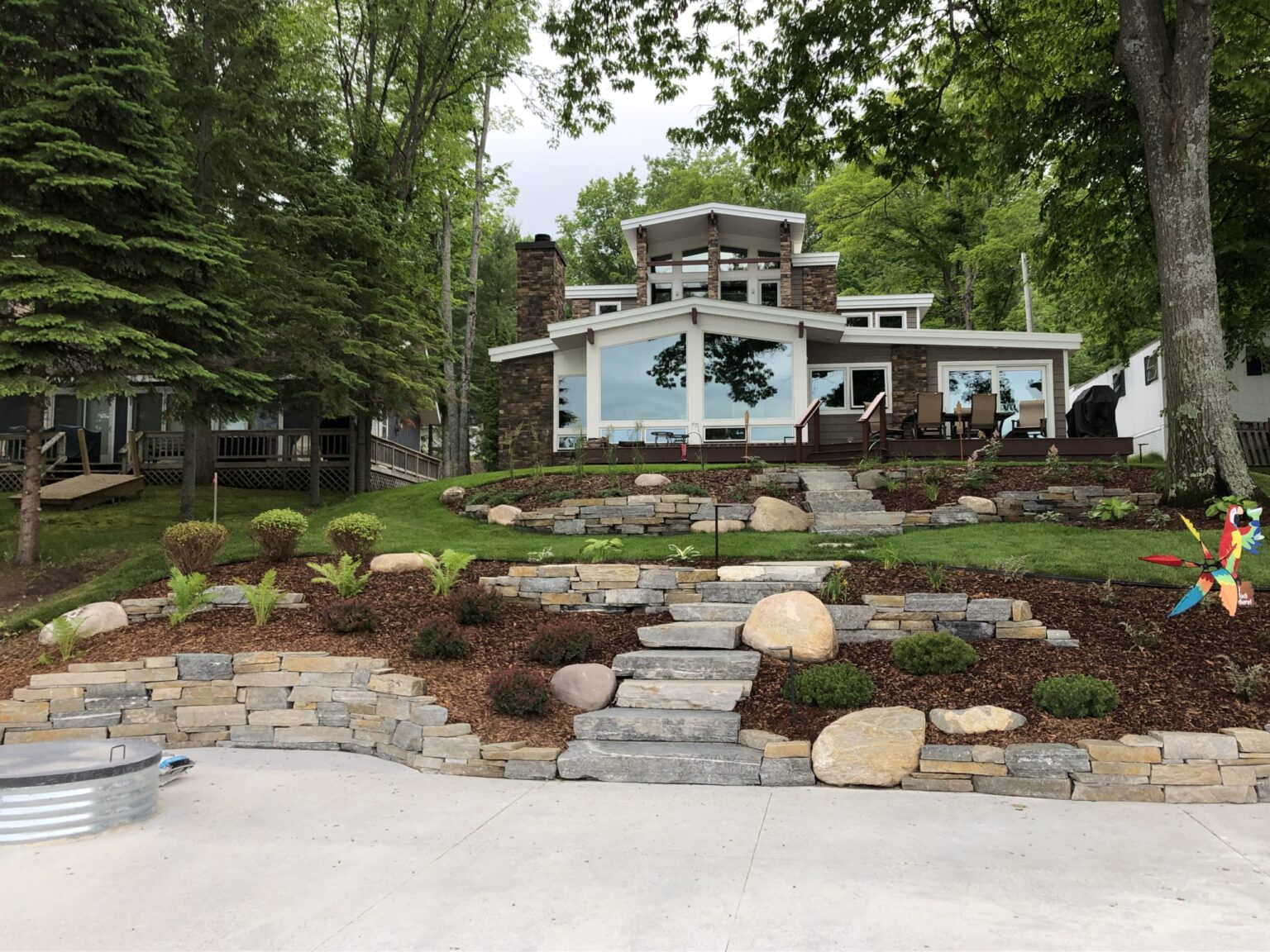
If you’re planning a landscape project, you’ll likely hear the terms hardscape and softscape. While they’re often mentioned together, they refer to very different parts of your outdoor space.
Hardscape vs. Softscape at a Glance
| Feature | Hardscape | Softscape |
| What it is | Built, non-living elements | Living landscape elements |
| Examples | Patios, walkways, walls, steps | Trees, shrubs, beds, lawn |
| Primary role | Structure, function, durability | Visual balance, texture, growth |
| Longevity | Long-term, permanent | Changes and matures over time |
| Maintenance | Lower day-to-day upkeep | Ongoing care required |
What Is Hardscape?
Hardscape refers to the solid, built features of a landscape. These elements create structure and define how outdoor spaces are used.
Hardscape often includes:
- Patios and outdoor seating areas
- Walkways and garden paths
- Retaining walls and steps
- Fire pits and gathering spaces
Because hardscapes are permanent, they require careful planning and proper installation. Base preparation, grading, and drainage are critical so these features remain stable through seasonal weather and freeze-thaw cycles.
Hardscape usually sets the framework for the rest of the landscape. Once it’s in place, other elements can be layered around it.
What Is Softscape?
Softscape includes all the living components of a landscape. These elements bring movement, seasonal interest, and warmth to the space.
Softscape commonly includes:
- Trees and large shrubs
- Perennial and garden beds
- Ground cover and lawn areas
Unlike hardscape, softscape evolves over time. Plants grow, mature, and change with the seasons. In Northern Michigan, thoughtful plant selection and spacing play a major role in long-term success.
Softscape helps soften built features and connect the landscape to its natural surroundings.
Hardscape vs. Softscape
Benefits of Hardscape
- Creates usable outdoor living areas
- Provides long-term durability
- Helps manage slopes and drainage
- Requires less ongoing upkeep once installed
What to Consider
- Higher upfront investment
- Poor installation can cause drainage or settling issues
- Too much hardscape can feel rigid or harsh
Benefits of Softscape
- Adds color, texture, and seasonal change
- Supports natural drainage and soil health
- Can improve shade, privacy, and wildlife habitat
- Adjustments are easier over time
What to Consider
- Requires ongoing care and maintenance
- Poor plant selection can lead to replacement costs
- Needs space to grow and mature properly
How Hardscape and Softscape Work Together
The most successful landscapes don’t choose between hardscape and softscape; they design both together.
Hardscape is typically installed first during landscape construction. This allows proper grading, drainage, and elevation changes to be handled early. Once the structure is in place, softscape is layered in to frame views, soften edges, and add visual interest.
When these elements are planned together, the landscape feels cohesive instead of pieced together.
How to Balance Hardscape and Softscape
There’s no universal ratio that works for every property. The right balance depends on how the space will be used and the conditions of the site.
For example:
- Entertaining-focused yards often lean more heavily on hardscape
- Garden-style landscapes emphasize softscape with subtle structure
- Sloped or waterfront properties rely on hardscape for stability, with softscape layered in
Function should guide design decisions first. From there, structure and plantings are adjusted to support how the space is actually used.
Hardscape and Softscape in Landscape Construction
Both hardscape and softscape play distinct roles during landscape construction.
Hardscape installation focuses on precision, base preparation, and long-term stability. Softscape installation focuses on plant health, spacing, and how the landscape will mature over time.
Together, they shape how the landscape performs years after installation, not just how it looks on day one.
Common Landscaping Mistakes
Homeowners often run into issues when these elements aren’t planned together, such as:
- Installing hardscape without planning for future plant growth
- Overplanting areas that need airflow and sunlight
- Skipping drainage planning before building patios or walls
Working with a team that understands both sides helps avoid these problems early.
Frequently Asked Questions
What is the main difference between hardscape and softscape?
Hardscape includes built features like patios and walls, while softscape includes living elements like plants and lawn areas.
Is hardscape more expensive than softscape?
Hardscape usually has a higher upfront cost, while softscape tends to have lower initial costs but ongoing maintenance.
Can a landscape have too much hardscape?
Yes. Too much hardscape can make a space feel rigid and reduce drainage or planting opportunities.
Does softscape help with drainage?
Yes. Plants and soil absorb water and can help reduce runoff when designed correctly.
Do I need both hardscape and softscape?
In most cases, yes. A balanced combination creates a landscape that is usable, visually appealing, and sustainable.